


Full Mouth Rehabilitation: When Do You Need It?
Have you ever felt like your dental problems are too many to fix one by one?
Maybe you have broken teeth, missing teeth, jaw pain, worn enamel, and old dental work that keeps failing. If that sounds familiar, you may not need just a filling or a crown—you may need full mouth rehabilitation.
This is one of the most comprehensive procedures in cosmetic and restorative dentistry. It doesn’t just improve how your smile looks. It restores how your entire mouth functions.
Let’s explore what full mouth rehabilitation really means, who needs it, and how it can completely transform your oral health and confidence.

What Is Full Mouth Rehabilitation?
Full mouth rehabilitation (also called full mouth reconstruction) is a customized treatment plan that restores or rebuilds all or most of the teeth in your upper and lower jaws.
It combines multiple dental procedures such as:
Crowns
Bridges
Veneers
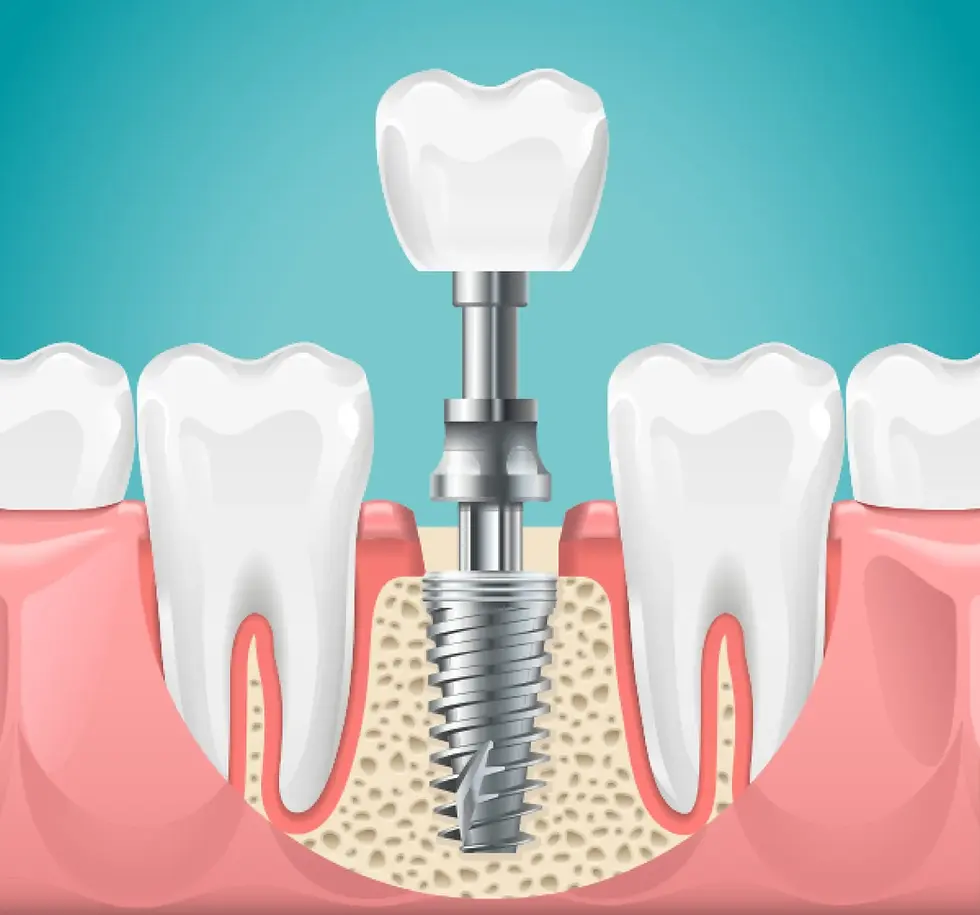
Dental implants
Root canal treatment
Orthodontics
Gum treatment
Think of it like renovating an old house. Instead of fixing just one cracked wall, you rebuild the structure to make it stronger, safer, and more beautiful.
Is It Cosmetic or Restorative?
It’s both.
While full mouth rehabilitation significantly improves the appearance of your smile, its primary goal is to restore function—how you bite, chew, and speak.
Cosmetic benefits include:
A brighter smile
Better tooth alignment
Improved facial symmetry
Enhanced confidence
Functional benefits include:
Correct bite alignment
Reduced jaw pain
Improved chewing ability
Long-term oral stability
It’s where cosmetic dentistry meets advanced restorative care.
When Do You Need Full Mouth Rehabilitation?
Not everyone needs such an extensive treatment. But certain situations clearly indicate it.
1. Severe Tooth Wear
If your teeth are worn down due to grinding (bruxism) or acid erosion, your bite may collapse. You may notice:
Shortened teeth
Sensitivity
Jaw discomfort
Difficulty chewing
Full mouth rehabilitation restores proper height and bite alignment.
2. Multiple Missing Teeth
Missing several teeth affects more than appearance. It changes how your remaining teeth function and can lead to bone loss.
When multiple teeth are missing in both arches, a comprehensive approach is often necessary.
3. Chronic Jaw Pain or Bite Problems
Do you experience headaches, jaw clicking, or facial tension?
These symptoms may relate to TMJ (temporomandibular joint) disorders or misaligned bites. Rehabilitation corrects bite issues and reduces strain on the jaw muscles.
4. Extensive Tooth Damage
If you have:
Multiple broken teeth
Large failing fillings
Old crowns needing replacement
It may be more effective to restore everything together rather than repeatedly patching individual teeth.
5. Advanced Gum Disease
Severe periodontal disease can cause:
Loose teeth
Bone loss
Shifting teeth
After treating the infection, rebuilding the mouth often requires coordinated restorative procedures.
6. Trauma or Accident
Accidents that damage several teeth may require complete rehabilitation to restore both function and aesthetics.
In such cases, it’s not just about replacing teeth—it’s about rebuilding your smile.
What Procedures Are Involved?
Every case is different. A personalized treatment plan may include:
Dental Implants
Used to replace missing teeth permanently.
Crowns and Bridges
Restore damaged or weakened teeth.
Porcelain Veneers
Enhance appearance by correcting shape and color.
Orthodontics
Correct alignment and bite issues.
Gum Contouring
Improve gum symmetry for better smile aesthetics.
Each step is carefully sequenced to achieve long-term stability.
The Step-by-Step Process
Here’s how full mouth rehabilitation typically works:
Step 1: Comprehensive Evaluation
Your dentist conducts:
Digital X-rays
3D scans
Bite analysis
Smile design planning
This ensures precise treatment planning.
Step 2: Disease Control
Before cosmetic improvements, underlying issues like gum infection or decay must be treated.
A strong foundation is essential.
Step 3: Structural Restoration
Damaged teeth are restored with crowns, implants, or other restorative treatments.
Bite alignment is carefully corrected.
Step 4: Cosmetic Refinement
Final touches enhance shape, color, and overall smile harmony.
The result? A balanced, functional, natural-looking smile.
How Long Does It Take?
Full mouth rehabilitation is not a one-day procedure.
Depending on complexity, treatment may take:
A few months
Up to a year in advanced cases
Some procedures require healing time, especially dental implants.
However, the long-term results are worth the investment of time.
Is It Painful?
Modern dentistry prioritizes comfort.
Procedures are performed under local anesthesia, and sedation options are often available.
Most patients report manageable discomfort that subsides within a few days after each stage.
Benefits of Full Mouth Rehabilitation
Let’s summarize why this treatment can be life-changing:
Restores Proper Bite Function
You can chew and speak comfortably again.
Eliminates Chronic Pain
Correcting alignment reduces jaw strain.
Improves Facial Appearance
Restored tooth height can enhance facial structure.
Boosts Confidence
You’ll feel more comfortable smiling and socializing.
Long-Term Oral Health Stability
Instead of repeated small fixes, you get a comprehensive solution.
Cost Considerations
Full mouth rehabilitation is a significant investment.
Costs vary based on:
Number of implants
Type of materials used
Extent of damage
Complexity of procedures
While the upfront cost may seem high, consider the alternative: repeated repairs, ongoing discomfort, and progressive damage.
In many cases, it is more cost-effective long term.
Who Is a Good Candidate?
You may be a good candidate if:
You have multiple dental problems
You experience bite-related pain
You want both cosmetic and functional improvement
You are in generally good health
A thorough dental consultation is essential to determine eligibility.
How to Maintain Results
After rehabilitation, maintenance is critical.
You’ll need:
Excellent oral hygiene
Regular dental checkups
Possibly a nightguard if you grind your teeth
Healthy lifestyle habits
Your new smile is an investment—protect it.
Final Thoughts
Full mouth rehabilitation is not just about improving your smile. It’s about rebuilding your oral health from the ground up.
If you are dealing with widespread dental damage, chronic pain, or severe cosmetic concerns, this comprehensive solution may be exactly what you need.
Rather than treating one issue at a time, full mouth rehabilitation addresses the entire system—function, health, and beauty—together.
When done correctly, it doesn’t just restore teeth. It restores confidence, comfort, and quality of life.
FAQs
1. Is full mouth rehabilitation the same as a smile makeover?
No. A smile makeover focuses mainly on cosmetic improvements, while full mouth rehabilitation restores both function and aesthetics.
2. How do I know if I need full mouth rehabilitation?
If you have multiple damaged, missing, or worn teeth along with bite issues or jaw pain, you may need a comprehensive evaluation.
3. Can full mouth rehabilitation fix TMJ problems?
Yes, in many cases correcting bite alignment helps reduce TMJ-related discomfort.
4. How long do the results last?
With proper care, restorations such as crowns and implants can last many years or even decades.
5. Is financing available for full mouth rehabilitation?
Many dental clinics offer flexible payment plans to make complex procedures more accessible.


Comments