


How Cosmetic Dentistry Boosts Confidence and Mental Health
A smile is one of the first things people notice during social interactions. It plays a major role in communication, self-expression, confidence, and emotional well-being. When individuals feel unhappy about their teeth, it can affect far more than appearance alone. Dental insecurities often influence self-esteem, social behavior, mental health, and overall quality of life.
Modern cosmetic dentistry has evolved beyond aesthetics. Today, treatments such as veneers, teeth whitening, smile makeovers, and dental implants help patients regain confidence, improve emotional wellness, and feel more comfortable in both personal and professional settings.
Many patients seeking cosmetic dental treatment are not only looking for straighter or whiter teeth—they are also searching for renewed self-confidence and emotional comfort.
Common concerns include:
Feeling embarrassed to smile
Hiding teeth in photographs
Social anxiety related to dental appearance
Low self-esteem caused by damaged or missing teeth
Professional insecurity during communication
This comprehensive guide explores the relationship between mental health and smile aesthetics, explaining how cosmetic dentistry positively impacts emotional wellness, confidence, and everyday life.
You will learn:
The psychological effects of dental appearance
How smile aesthetics influence confidence
Popular cosmetic dentistry treatments
Emotional benefits of smile transformation
Lifestyle and social improvements after treatment
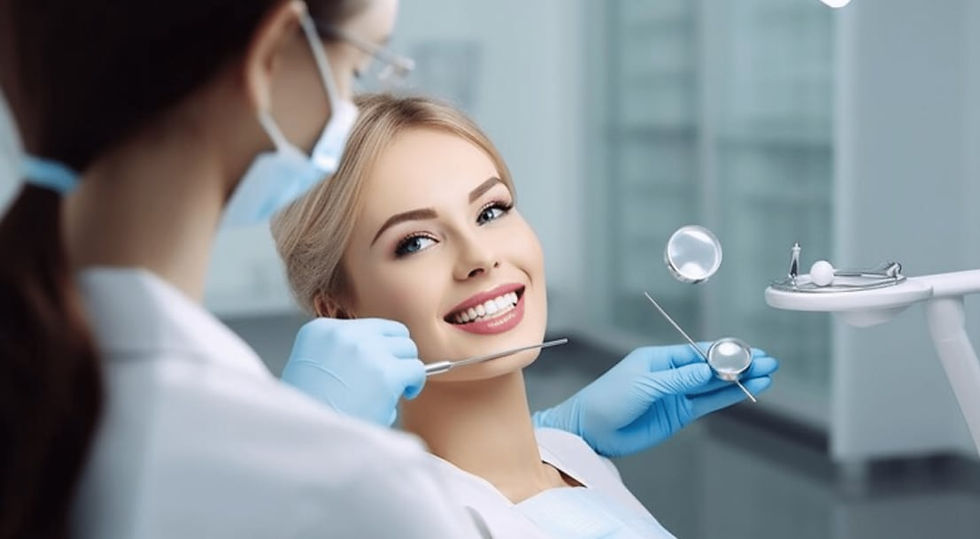
The Emotional Connection Between Smiles and Confidence
Smiles are strongly connected to human emotion and social interaction.
People naturally associate healthy smiles with:
Confidence
Health
Friendliness
Success
Attractiveness
When patients feel insecure about their teeth, they may:
Avoid smiling
Cover their mouth while speaking
Avoid social gatherings
Experience embarrassment
Feel anxious in professional situations
This direct relationship between self-esteem and dental appearance is one reason cosmetic dentistry can have such a profound emotional impact.
How Dental Appearance Affects Mental Health
The connection between mental health and smile aesthetics is well documented.
Dental concerns may contribute to:
Social anxiety
Low self-confidence
Emotional stress
Self-consciousness
Reduced quality of life
Patients with visible dental issues often become highly aware of their appearance during:
Conversations
Public speaking
Dating
Job interviews
Social media photos
Over time, these insecurities may affect emotional well-being and interpersonal relationships.
Common Smile Concerns That Affect Confidence
Many patients pursue cosmetic dentistry for confidence due to issues such as:
Tooth Discoloration
Stained or yellow teeth can make patients feel self-conscious.
Crooked Teeth
Misaligned teeth may affect smile symmetry and facial balance.
Chipped or Broken Teeth
Damaged teeth can impact appearance and confidence.
Gaps Between Teeth
Spacing concerns may cause embarrassment during smiling or speaking.
Missing Teeth
Tooth loss affects:
Appearance
Speech
Facial structure
Emotional confidence
Uneven Gum Lines
Excessive or uneven gums may affect smile aesthetics.
What Is Cosmetic Dentistry?
Cosmetic dentistry focuses on improving the appearance of teeth, gums, and smiles while often enhancing oral function as well.
Modern treatments may include:
Teeth whitening
Veneers
Dental bonding
Crowns
Invisalign
Dental implants
Gum contouring
Smile makeovers
The goal is to create natural-looking, harmonious smiles tailored to each patient.
The Psychological Benefits of Cosmetic Dentistry
One of the most important cosmetic dentistry benefits is emotional transformation.
Patients often report improvements in:
Self-esteem
Confidence
Social comfort
Mood
Motivation
Professional confidence
Smile enhancement frequently affects daily life in meaningful ways.
1. Increased Self-Confidence
Perhaps the most immediate benefit of cosmetic dentistry is improved confidence.
After treatment, many patients:
Smile more naturally
Feel more attractive
Speak more confidently
Engage socially with greater comfort
The emotional effect of a smile transformation can be dramatic.
2. Reduced Social Anxiety
Patients embarrassed about their teeth may avoid:
Social events
Group photos
Public conversations
A smile makeover often reduces self-consciousness and encourages more positive social engagement.
3. Improved Professional Confidence
Professional communication often involves:
Face-to-face interaction
Presentations
Meetings
Interviews
Improved dental aesthetics may increase confidence in workplace settings.
Patients frequently report feeling:
More polished
More approachable
More comfortable communicating
4. Better Emotional Wellness
The emotional benefits of cosmetic dentistry may extend beyond appearance alone.
Improved smiles can contribute to:
Greater happiness
Positive self-image
Reduced embarrassment
Better social experiences
Feeling comfortable smiling often enhances emotional health.
5. Motivation for Better Self-Care
After cosmetic treatment, many patients become more motivated to maintain:
Oral hygiene
Healthy habits
Preventive dental visits
Lifestyle improvements
Smile transformation can positively influence overall wellness routines.
Popular Cosmetic Dentistry Treatments That Improve Confidence
Teeth Whitening
Professional whitening brightens stained teeth and creates a fresher appearance.
Benefits of Teeth Whitening Confidence
Immediate smile improvement
More youthful appearance
Increased social comfort
Better first impressions
Whitening is one of the most popular cosmetic procedures worldwide.
Veneers Smile Makeover
Veneers smile makeover treatments use thin porcelain shells to improve:
Tooth color
Shape
Alignment
Symmetry
Veneers are highly effective for dramatic smile enhancement. Patients often choose veneers to correct multiple cosmetic concerns simultaneously.
Dental Bonding
Bonding repairs:
Chips
Minor gaps
Uneven edges
This minimally invasive treatment improves smile aesthetics quickly.
Dental Crowns
Crowns restore damaged teeth while enhancing appearance and function.
Modern crowns are highly aesthetic and durable.
Invisalign and Orthodontics
Straightening teeth often improves:
Smile symmetry
Facial aesthetics
Bite alignment
Patients frequently experience increased confidence after orthodontic treatment.
Dental Implants
Missing teeth can significantly affect emotional well-being.
Dental implants help restore:
Smile appearance
Facial support
Speech
Chewing ability
Self-confidence
Implants often create life-changing improvements for patients with tooth loss.
Smile Makeovers and Emotional Transformation
A complete smile makeover confidence journey may involve multiple cosmetic procedures.
Smile makeovers are customized based on:
Facial features
Smile goals
Oral health condition
Cosmetic preferences
The transformation is often both physical and emotional.
Patients commonly report:
Feeling younger
Smiling more often
Improved self-esteem
Greater comfort in public settings
How Cosmetic Dentistry Improves Social Life
People who feel confident about their smile are often more likely to:
Engage socially
Participate in conversations
Smile naturally
Feel relaxed during interactions
Improved confidence can strengthen:
Friendships
Relationships
Dating experiences
Workplace communication
The Impact of Smiling on Brain Chemistry
Smiling itself can positively influence emotional state.
Research suggests smiling may stimulate:
Dopamine release
Serotonin production
Endorphin activity
This helps explain why improved smiles may contribute to better emotional wellness.
Cosmetic Dentistry and First Impressions
Smiles strongly influence first impressions.
Healthy smiles are commonly associated with:
Confidence
Professionalism
Friendliness
Health
This psychological impact is one reason many professionals seek smile improvement treatment.
The Importance of Natural-Looking Results
Modern cosmetic dentistry prioritizes natural aesthetics.
Dentists now customize treatment based on:
Facial proportions
Skin tone
Smile line
Lip shape
Personality
The goal is enhancement—not artificial appearance.
Cosmetic Dentistry and Long-Term Wellness
Improved smiles often encourage patients to:
Attend dental checkups
Maintain oral hygiene
Eat healthier
Avoid smoking
This creates both cosmetic and long-term oral health benefits.
Common Myths About Cosmetic Dentistry
Myth 1: Cosmetic Dentistry Is Only About Vanity
Many patients seek treatment to improve emotional comfort and confidence.
Myth 2: Cosmetic Results Always Look Fake
Modern techniques prioritize highly natural-looking outcomes.
Myth 3: Cosmetic Dentistry Is Only for Celebrities
Today’s treatments are widely accessible for many patients.
Myth 4: Smile Makeovers Are Purely Cosmetic
Many procedures improve function as well as appearance.
FAQs
Can cosmetic dentistry improve confidence?
Yes. Many patients experience major improvements in self-esteem and social comfort after treatment.
How does a smile affect mental health?
Dental appearance can influence emotional wellness, confidence, social behavior, and self-image.
What cosmetic dental treatment is best for confidence?
The ideal treatment depends on the patient’s concerns. Whitening, veneers, Invisalign, and implants are common options.
Can cosmetic dentistry reduce social anxiety?
Many patients feel more relaxed and confident socially after improving their smile.
Are smile makeovers worth it emotionally?
For many patients, the emotional and confidence benefits are life-changing.
Cosmetic Dentistry and Preventive Care
Although cosmetic treatments improve aesthetics, maintaining results requires:
Proper oral hygiene
Routine cleanings
Healthy nutrition
Preventive dental visits
Long-term care protects both appearance and oral health.
Choosing the Right Cosmetic Dentist
A successful smile transformation requires:
Cosmetic expertise
Artistic smile design
Advanced technology
Personalized treatment planning
Look for clinics offering:
Digital smile previews
Comprehensive consultations
Modern cosmetic materials
Customized treatment plans
The Life-Changing Power of Smile Transformation
A smile affects how people:
See themselves
Interact socially
Present themselves professionally
Experience emotional confidence
The impact of dental aesthetics and confidence extends far beyond appearance alone.
For many patients, cosmetic dentistry becomes a turning point toward improved emotional well-being and self-image.
Conclusion
The connection between cosmetic dentistry confidence and emotional wellness is powerful. A healthy, attractive smile can positively influence self-esteem, mental health, social comfort, and quality of life.
Modern cosmetic dental treatment options allow patients to correct discoloration, damaged teeth, misalignment, gaps, and missing teeth while achieving highly natural-looking results.
Whether through whitening, veneers, implants, or complete smile makeovers, cosmetic dentistry often delivers benefits that extend far beyond appearance.
Patients frequently gain:
Greater confidence
Improved self-esteem
Better social experiences
Enhanced professional comfort
Stronger emotional wellness
A confident smile can truly transform both appearance and daily life.
Schedule your personalized cosmetic dentistry consultation today and discover advanced smile enhancement treatments designed to improve aesthetics, self-esteem, and emotional wellness.



Comments