


The Role of Implant-Supported Dentures in Modern Dentistry
Losing teeth can feel overwhelming. It affects how you eat, speak, and even how you smile in photos. For years, traditional dentures were the standard solution. But let’s be honest—many people struggled with slipping, discomfort, and messy adhesives.
Today, modern dentistry offers something better: implant-supported dentures. They combine the strength of dental implants with the convenience of dentures. Think of it like building a house. Instead of placing it on loose sand, you anchor it to a solid foundation. That foundation makes all the difference.
In this article, we’ll explore how implant-supported dentures are transforming smiles, confidence, and oral health.

What Is Implant-Supported Dentures?
Implant-supported dentures are removable or fixed dentures that are secured using dental implants placed into your jawbone.
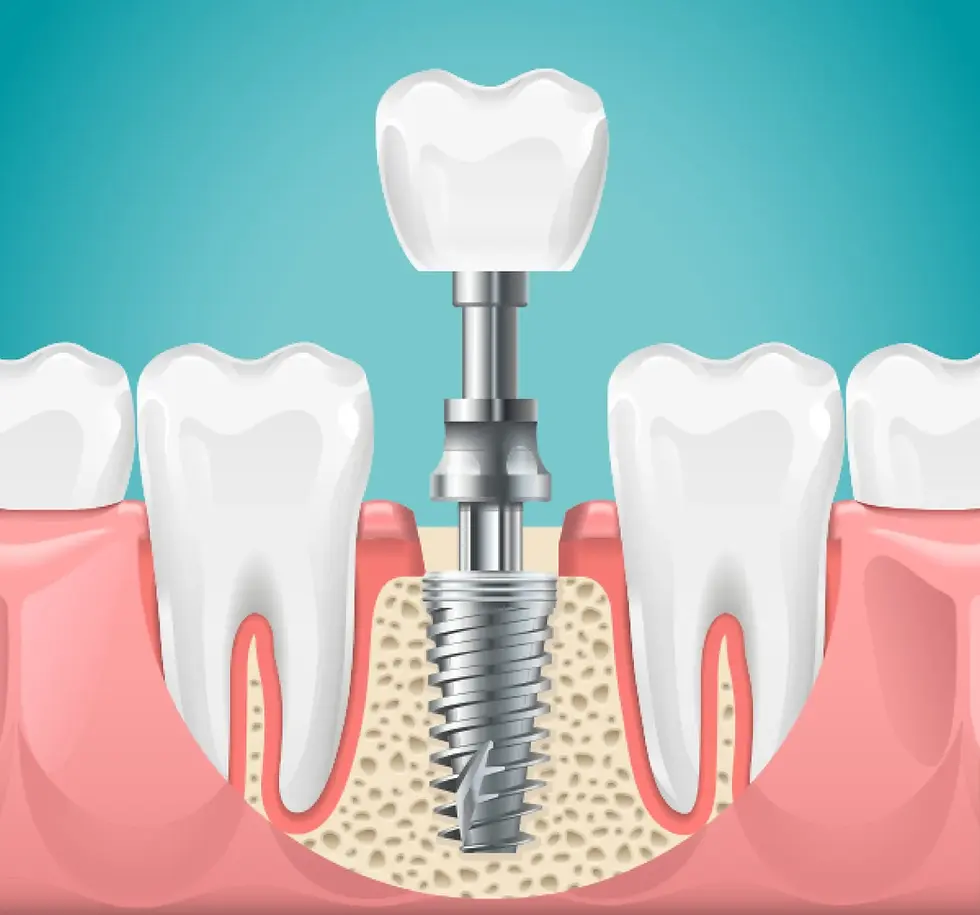
Unlike traditional dentures that rest on your gums, these are anchored to titanium posts inserted into the bone. This makes them stable, secure, and much more comfortable.
In simple terms? They don’t slide around. They stay where they belong.
How Do Dental Implants Work?
Dental implants are small titanium posts that act like artificial tooth roots. Once placed in the jawbone, they fuse naturally with the bone through a process called osseointegration.
This fusion creates a strong base. After healing, the dentures attach securely to these implants.
It’s like placing strong pillars into the ground before building a bridge. Without pillars, the bridge wouldn’t stand firm. The same goes for your dentures.
Types of Implant-Supported Dentures
There are two main types:
Fixed Implant-Supported Dentures
These are permanently attached and can only be removed by a dentist. They feel closest to natural teeth.
Removable (Snap-In) Dentures
These can be removed for cleaning but snap securely into place during the day.
Your dentist will recommend the best option based on your needs, bone health, and budget.
Why Modern Dentistry Prefers Implants
Modern dentistry focuses on long-term oral health—not just quick fixes.
Traditional dentures sit on top of the gums and can lead to bone loss over time. Implant-supported dentures stimulate the jawbone, just like natural tooth roots do.
This helps preserve facial structure and prevents the “sunken” look that sometimes happens with long-term denture wear.
Key Benefits for Patients
Let’s talk about what really matters to you.
Improved Stability
No slipping while eating or talking.
Better Chewing Ability
You can enjoy more foods, including crunchy fruits and vegetables.
Enhanced Comfort
No gum irritation from loose movement.
Bone Preservation
Implants prevent jawbone shrinkage.
Long-Term Durability
With proper care, implants can last decades.
That’s a big upgrade from traditional dentures.
The Procedure: Step-by-Step
Curious about what the process looks like?
Step 1: Consultation
Your dentist evaluates your oral health and bone density.
Step 2: Implant Placement
Titanium posts are surgically placed into the jawbone.
Step 3: Healing Period
This can take 3–6 months as the implants fuse with bone.
Step 4: Denture Attachment
Custom dentures are securely attached.
While it sounds lengthy, the long-term results are worth the patience.
Are You a Good Candidate?
Most healthy adults with missing teeth qualify.
You may be a good candidate if:
You have sufficient jawbone density.
You don’t have uncontrolled diabetes.
You’re a non-smoker or willing to quit.
You maintain good oral hygiene.
Even if bone density is low, procedures like bone grafting can help.
Comparing Traditional vs Implant Dentures - Let’s break it down clearly.
Feature | Traditional Dentures | Implant-Supported Dentures |
Stability | May slip | Secure and stable |
Comfort | Can cause sore spots | More natural feel |
Bone Loss | Common over time | Helps prevent bone loss |
Longevity | 5–8 years | 15+ years or more |
The difference is significant—especially when it comes to long-term oral health.
Cost and Long-Term Value
Yes, implant-supported dentures cost more upfront than traditional dentures.
However, consider this:
Fewer replacements
Less need for adhesives
Reduced dental complications
Long-term durability
Over time, many patients find the investment worthwhile.
Think of it like buying quality shoes. You pay more initially, but they last longer and feel better every day.
Recovery and Aftercare
Recovery is usually manageable.
You may experience:
Mild swelling
Minor discomfort
Temporary dietary changes
After healing, daily care includes:
Brushing implants and dentures
Flossing around implants
Regular dental checkups
Maintenance is simple but essential.
Myths and Misconceptions
Let’s clear up some confusion.
“Implants are painful.”
Most patients report less discomfort than expected.
“They’re only for elderly people.”
Adults of various ages benefit from them.
“They look fake.”
Modern implant dentures look very natural.
Don’t let myths stop you from exploring better options.
Impact on Confidence and Lifestyle
Have you ever avoided smiling in photos? Or skipped certain foods at gatherings?
Implant-supported dentures restore more than teeth—they restore confidence.
You can laugh freely. Eat comfortably. Speak clearly.
That emotional boost is priceless.
Future Trends in Implant Dentistry
Modern dentistry continues to evolve.
We now see:
Digital scanning for precise placement
3D-printed dentures
Same-day implant solutions in some cases
Advanced materials for durability
Technology is making procedures faster, safer, and more predictable.
Final Thoughts
Implant-supported dentures represent a major shift in modern dentistry. They provide stability, preserve bone health, and restore confidence in ways traditional dentures often cannot.
If you’re struggling with loose dentures or considering tooth replacement options, it may be time to explore this advanced solution. After all, your smile isn’t just about teeth—it’s about how you feel every day.
FAQs
Are implant-supported dentures permanent?
They can be fixed or removable. Fixed ones are permanent and removed only by a dentist.
How long do implant-supported dentures last?
With proper care, implants can last 15–25 years or more.
Is the procedure safe?
Yes, it is a well-established and widely practiced dental treatment.
How many implants are needed?
Typically, 2–6 implants are used, depending on the jaw and denture type.
Can smokers get implant-supported dentures?
Smoking increases risk of implant failure, but some smokers may still qualify after evaluation.
If you're considering restoring your smile, implant-supported dentures may be the modern solution that changes everything.



Comments