


Dental X-Rays: Why They’re Essential for Accurate Diagnosis
When it comes to oral health, what you see is only part of the story. Many dental problems develop silently beneath the surface—inside the tooth structure, under the gums, or within the jawbone. A visual examination alone is not enough to detect these hidden issues. This is where dental X-rays play a crucial role.
Dental X-rays are one of the most powerful diagnostic tools in modern dentistry. They allow dentists to look beyond what is visible, enabling early detection, precise diagnosis, and effective treatment planning. Whether you are visiting for a routine check-up or a complex procedure, X-rays are often the foundation of accurate dental care.

What Are Dental X-Rays?
Dental X-rays, also known as radiographs, are images of your teeth and surrounding structures created using a small amount of radiation. These images help dentists identify problems that cannot be seen during a standard dental examination.
They provide detailed insights into:
Tooth roots
Jawbone condition
Gum health
Tooth alignment
Hidden decay
Without X-rays, many dental issues would remain undetected until they become painful or severe.
Why Dental X-Rays Are Essential
1. Early Detection of Dental Problems
One of the biggest advantages of dental X-rays is the ability to detect issues at an early stage. Dental problems usually develop gradually, and early intervention can prevent major complications.
For example:
A small cavity can be treated with a simple filling
A deeper infection may require a root canal
Severe damage could lead to tooth loss
By identifying problems early, X-rays help reduce treatment complexity, cost, and discomfort.
2. Accurate Diagnosis
Dentists rely on X-rays to make accurate diagnoses. Many conditions cannot be identified through visual inspection alone.
X-rays help detect:
Cavities between teeth
Bone loss due to gum disease
Impacted teeth
Abscesses and infections
Cysts or tumors
Accurate diagnosis ensures that patients receive the right treatment at the right time.
3. Effective Treatment Planning
Dental treatments require precision. X-rays provide a clear roadmap that allows dentists to plan procedures effectively.
For example:
In root canal treatment, X-rays show the extent of infection
In orthodontics, they reveal tooth positioning
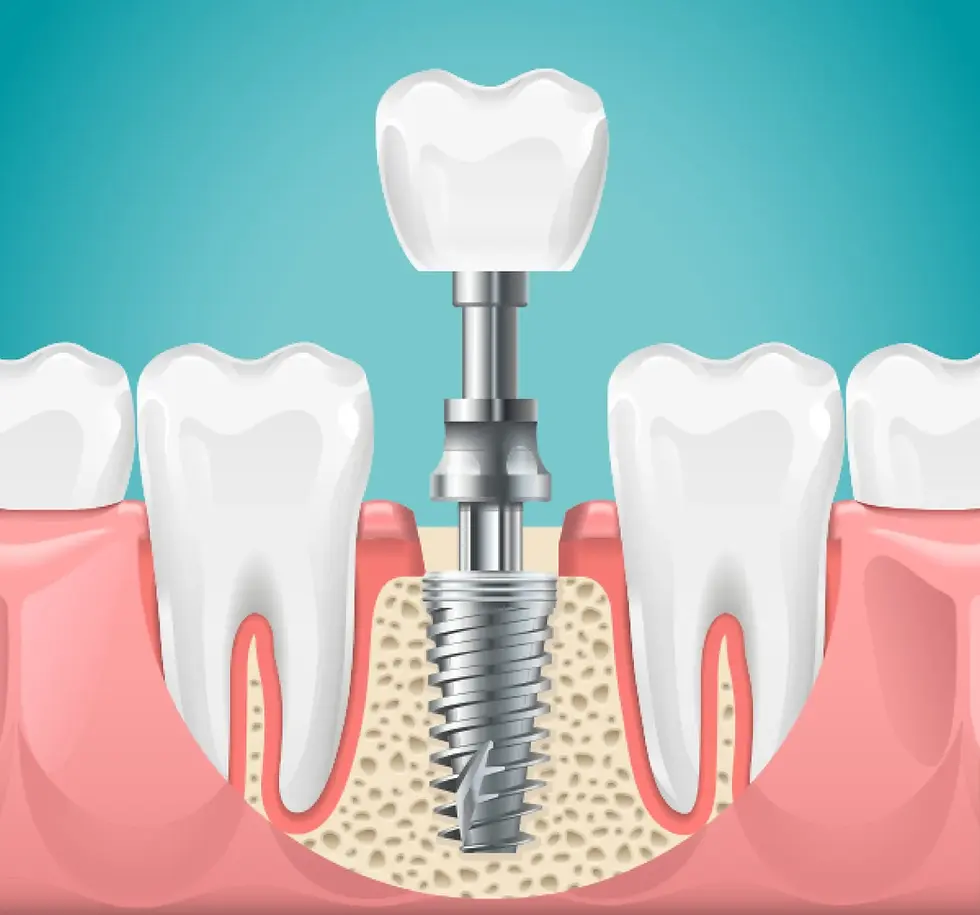
In implant procedures, they assess bone density
Related read: Root Canal Treatment Myths vs. Facts
4. Monitoring Oral Health Over Time
Dental X-rays are not just for diagnosis—they are also used to monitor changes over time.
Dentists use them to track:
Progress of gum disease
Healing after treatments
Tooth movement during orthodontics
Bone health
This ongoing monitoring ensures that treatments are successful and adjusted when necessary.
5. Detecting Hidden Infections
Some dental infections develop without noticeable symptoms. These silent issues can become serious if left untreated.
X-rays help detect:
Root infections
Jawbone damage
Abscesses
Early detection prevents complications and protects overall health.
Types of Dental X-Rays
Different types of dental X-rays serve different purposes:
Bitewing X-Rays
These are commonly used during routine check-ups to detect cavities between teeth and monitor bone levels.
Periapical X-Rays
These show the entire tooth from crown to root and are used to detect infections or damage at the root level.
Panoramic X-Rays
These provide a complete view of the mouth, including teeth, jaw, and sinuses. They are often used for:
Wisdom teeth evaluation
Implant planning
Jaw disorders
Occlusal X-Rays
These capture larger sections of the mouth and help detect cysts, fractures, or abnormalities.
Are Dental X-Rays Safe?
Safety is a common concern among patients, but modern dental X-rays are extremely safe.
Why They Are Safe:
Very low radiation levels
Use of digital technology (reduces exposure significantly)
Protective lead aprons and thyroid collars
The radiation exposure from dental X-rays is minimal—often comparable to everyday environmental exposure.
How Often Should You Get Dental X-Rays?
The frequency of dental X-rays depends on your oral health condition.
General Guidelines:
Healthy patients: Every 1–2 years
Patients with dental issues: More frequent imaging
Children: Regular monitoring for growth and development
Your dentist will recommend a personalized schedule based on your needs.
Role of Dental X-Rays in Advanced Treatments
1. Root Canal Treatment
X-rays help identify the infected area and guide the procedure.
2. Dental Implants
Precise placement requires detailed imaging of bone structure.
Related read: Dental Implants Explained
3. Full Mouth Rehabilitation
Complex treatments require comprehensive imaging for planning.
Related read: Full Mouth Rehabilitation: When Do You Need It?
Benefits of Dental X-Rays
Early detection of dental problems
Accurate diagnosis
Better treatment planning
Prevention of serious complications
Cost-effective long-term care
Common Myths About Dental X-Rays
Myth 1: X-Rays Are Dangerous
Fact: Modern X-rays use minimal radiation and are safe.
Myth 2: Only Needed When You Have Pain
Fact: Many dental problems develop without symptoms.
Myth 3: Pregnant Women Cannot Get X-Rays
Fact: With proper precautions, X-rays can be safely performed if necessary.
What to Expect During a Dental X-Ray
The process is quick and painless:
You wear a protective apron
A sensor is placed in your mouth
Images are captured within seconds
The entire procedure takes just a few minutes.
Why Skipping Dental X-Rays Can Be Risky
Avoiding X-rays may lead to:
Undetected cavities
Advanced gum disease
Delayed diagnosis
More expensive treatments
Regular X-rays are a preventive investment in your oral health.
Conclusion
Dental X-rays are an essential part of modern dentistry. They provide critical insights that cannot be obtained through visual examination alone. From early detection to accurate treatment planning, X-rays play a vital role in maintaining long-term oral health.
If you want to avoid costly and complex treatments in the future, regular dental check-ups - including X-rays—are a must.
FAQs
Are dental X-rays painful?
No, they are completely painless.
How long do dental X-rays take?
Usually less than 5 minutes.
Are dental X-rays safe for children?
Yes, they are safe and help monitor development.
Do X-rays detect cavities?
Yes, especially those between teeth.


Comments