


Are Dental Implants Painful? What Patients Really Experience
One of the most common questions patients ask before getting dental implants is, "Will it hurt?"
The fear of pain prevents many people from seeking treatment for missing teeth, even when dental implants are considered the gold standard for tooth replacement. Unfortunately, misconceptions and outdated information often make the procedure seem more intimidating than it actually is.
The reality is that modern dental implant procedures are significantly more comfortable than most patients expect. Thanks to advanced technology, local anesthesia, guided implant placement, and improved pain management techniques, many patients report that receiving a dental implant was easier than having a tooth extracted.
In this comprehensive guide, we'll explore what patients really experience during dental implant treatment, the level of discomfort involved, recovery expectations, and practical tips to ensure a smooth healing process.

Understanding Dental Implants
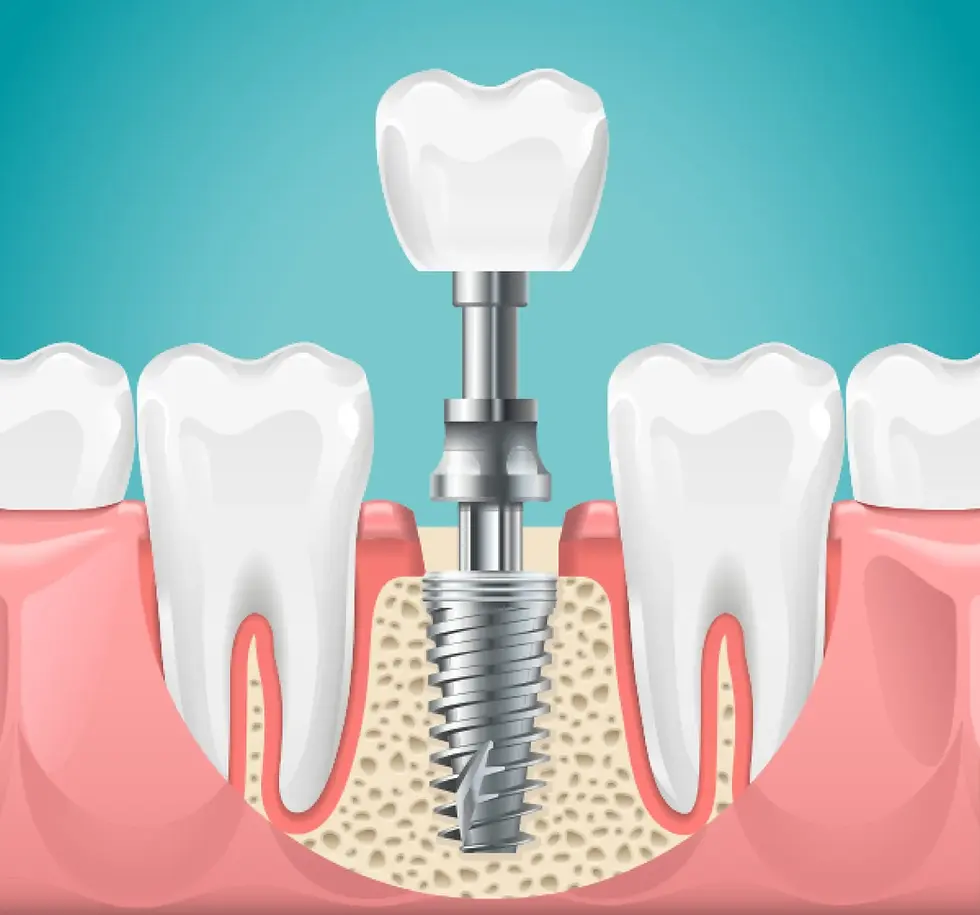
A dental implant is an artificial tooth root, usually made from titanium, that is surgically placed into the jawbone to support a replacement tooth, bridge, or denture.
A complete dental implant consists of:
Implant fixture (placed in the jawbone)
Abutment (connector piece)
Dental crown (visible replacement tooth)
Unlike removable dentures, implants provide a permanent and natural-looking solution for missing teeth.
Why Patients Worry About Implant Pain
Many people associate the word "surgery" with severe pain and lengthy recovery.
Common fears include:
Pain during the procedure
Pain after surgery
Swelling and bleeding
Complications during healing
Long recovery periods
While these concerns are understandable, they are often exaggerated by myths, online misinformation, or stories based on outdated dental techniques.
Modern implant dentistry has dramatically improved patient comfort.
Does Dental Implant Surgery Hurt?
During the Procedure
The short answer is: No, the implant placement itself should not be painful.
Before treatment begins, the dentist administers local anesthesia to numb the treatment area completely.
Most patients experience:
Pressure sensations
Mild vibration
Occasional movement sensations
However, they typically do not experience pain during the procedure.
Many patients are surprised by how comfortable the process feels.
For patients with dental anxiety, additional options may include:
Sedation dentistry
Oral sedatives
Nitrous oxide (laughing gas)
IV sedation
These options can help patients remain relaxed throughout treatment.
What Does a Dental Implant Feel Like During Surgery?
Patients commonly describe the experience as:
Feeling pressure rather than pain
Hearing drilling sounds
Mild jaw fatigue from keeping the mouth open
Unlike tooth extractions, implant placement generally does not involve pulling or forceful movement.
The procedure is highly controlled and precise.
Many patients compare the experience to receiving a routine dental filling.
Pain Levels After Dental Implant Surgery
The most significant discomfort typically occurs after the anesthesia wears off.
However, most patients report that discomfort is manageable.
Common symptoms include:
Mild Soreness
The surgical site may feel tender for several days.
Swelling
Minor swelling is normal and usually peaks within 48 hours.
Bruising
Some patients experience slight bruising around the gums or cheeks.
Jaw Stiffness
Temporary stiffness may occur but generally resolves quickly.
Most discomfort improves significantly within the first week.
How Painful Is a Dental Implant Compared to Tooth Extraction?
Interestingly, many patients report that dental implant surgery is less painful than tooth extraction.
Why?
When a tooth is extracted:
Damaged tissue is often present
Infection may exist
Significant manipulation can occur
During implant placement:
The procedure is planned carefully
Healthy bone is used
Trauma to surrounding tissues is minimized
As a result, recovery can be smoother than many people expect.
Typical Recovery Timeline
First 24 Hours
You may experience:
Mild bleeding
Swelling
Minor discomfort
Most patients can manage symptoms with prescribed medication.
Days 2–3
Swelling usually reaches its peak.
Ice packs can help reduce inflammation.
Days 4–7
Most discomfort begins to fade.
Many patients return to normal daily activities.
Week 2
Soft tissues continue healing.
Tenderness is usually minimal.
Several Months
The implant gradually integrates with the jawbone through a process called osseointegration.
Although healing continues beneath the surface, patients generally function normally during this phase.
Factors That Influence Implant Pain
Not every patient's experience is identical.
Several factors affect comfort levels.
Number of Implants Placed
Single implants usually involve minimal discomfort.
Multiple implants may result in additional soreness.
Bone Grafting Procedures
Patients requiring bone grafting may experience a longer recovery period.
Individual Pain Tolerance
Everyone perceives pain differently.
Smoking
Smoking can slow healing and increase discomfort.
Overall Health
Healthy patients often recover faster and experience fewer complications.
How Dentists Minimize Implant Discomfort
Modern implant dentistry prioritizes patient comfort.
Common techniques include:
Advanced Imaging
3D scans improve precision and reduce surgical trauma.
Guided Implant Surgery
Computer-guided placement minimizes tissue disruption.
Modern Anesthesia
Effective anesthetics eliminate pain during treatment.
Sedation Options
Relaxation techniques reduce anxiety and stress.
Minimally Invasive Procedures
Smaller incisions often result in faster recovery.
Tips for a Comfortable Recovery
Following post-operative instructions significantly improves healing.
Use Ice Packs
Apply ice during the first 24 hours to reduce swelling.
Take Medications as Directed
Pain medications and antibiotics should be taken exactly as prescribed.
Eat Soft Foods
Recommended foods include:
Yogurt
Mashed potatoes
Smoothies
Soups
Scrambled eggs
Stay Hydrated
Adequate hydration supports healing.
Avoid Smoking
Smoking increases the risk of implant failure and delayed recovery.
Maintain Oral Hygiene
Gentle cleaning helps prevent infection.
What Foods Should You Avoid?
During the healing period, avoid:
Hard nuts
Crunchy chips
Sticky candies
Extremely hot foods
Hard bread crusts
These foods may irritate the surgical site and delay healing.
Warning Signs That Require Dental Attention
Some discomfort is normal.
However, contact your dentist if you experience:
Severe or worsening pain
Excessive swelling after several days
Persistent bleeding
Fever
Signs of infection
Implant mobility
Early intervention helps prevent complications.
Real Patient Experiences
Many patients share surprisingly positive experiences after implant treatment.
Patient Experience #1
"I expected the procedure to be painful, but I only felt pressure. The recovery was easier than my previous tooth extraction."
Patient Experience #2
"I went back to work the next day. The soreness felt similar to having a small bruise."
Patient Experience #3
"My biggest challenge was worrying beforehand. The actual procedure was much easier than I imagined."
While experiences vary, most patients report manageable discomfort and high satisfaction with the results.
Benefits That Outweigh Temporary Discomfort
Any temporary discomfort associated with implants is often outweighed by long-term benefits.
Dental implants provide:
Natural appearance
Improved chewing ability
Better speech
Jawbone preservation
Long-term durability
Enhanced confidence
For many patients, the improvement in quality of life makes the short recovery period well worth it.
Myth vs Fact
Myth: Dental Implant Surgery Is Extremely Painful
Fact: Modern anesthesia makes implant placement virtually painless during treatment.
Myth: Recovery Takes Months of Pain
Fact: Most discomfort improves significantly within the first week.
Myth: Older Adults Cannot Handle Implant Surgery
Fact: Many healthy seniors successfully receive implants with excellent outcomes.
Myth: Dental Implants Always Require Extensive Surgery
Fact: Many implant procedures are minimally invasive and completed efficiently.
Case Study: Replacing a Missing Tooth with an Implant
A 42-year-old patient delayed treatment for a missing molar because of fear of pain.
After consultation and treatment planning:
Implant surgery took less than an hour.
Mild soreness lasted three days.
The patient returned to work within 24 hours.
Full function was restored after healing.
The patient later stated that the anticipation was far worse than the actual procedure.
Future Trends in Pain-Free Implant Dentistry
The future of implant dentistry continues to improve patient comfort.
Emerging innovations include:
AI-Assisted Surgical Planning
More accurate implant positioning.
Advanced Sedation Methods
Enhanced comfort during treatment.
Faster Healing Materials
Improved tissue regeneration.
Robotic Implant Placement
Greater precision and reduced surgical trauma.
Digital Workflow Integration
More efficient and predictable treatment outcomes.
Key Takeaways
Dental implant surgery is generally not painful during the procedure.
Modern anesthesia eliminates most treatment discomfort.
Recovery is typically manageable with medication and proper care.
Many patients report implants are less painful than tooth extractions.
Most discomfort subsides within one week.
Following post-operative instructions improves healing and comfort.
Long-term benefits significantly outweigh temporary soreness.
Frequently Asked Questions
How painful is a dental implant on a scale of 1 to 10?
Most patients rate discomfort between 2 and 4 out of 10 during recovery.
Will I be awake during implant surgery?
Yes, most implant procedures are performed under local anesthesia, although sedation options are available.
How long does pain last after a dental implant?
Most soreness improves significantly within 3 to 7 days.
Can I go to work after dental implant surgery?
Many patients return to work within 24 to 48 hours, depending on the complexity of treatment.
Is swelling normal after implant surgery?
Yes. Mild swelling is expected and usually peaks within 48 hours.
Are dental implants worth it despite the recovery period?
For most patients, the long-term benefits, durability, and improved quality of life make implants an excellent investment.
Conclusion
If you've been avoiding dental implants because you're worried about pain, you may be pleasantly surprised by what modern implant dentistry can offer. Thanks to advanced technology, effective anesthesia, and minimally invasive techniques, most patients experience far less discomfort than they anticipated.
The temporary soreness associated with implant surgery is typically mild and manageable, while the benefits can last for decades. Improved chewing ability, enhanced confidence, preserved jawbone health, and a natural-looking smile make dental implants one of the most successful and rewarding treatments in modern dentistry.
If you're considering replacing a missing tooth, schedule a consultation with an experienced implant dentist to learn whether dental implants are the right solution for you.



Comments