


Dental Implants vs. Bridges: Which Lasts Longer?
Missing teeth can significantly impact your oral health, appearance, and confidence. Fortunately, modern dentistry offers reliable solutions to replace missing teeth—two of the most popular being dental implants and dental bridges.
While both options restore function and aesthetics, they differ in terms of durability, cost, maintenance, and long-term benefits. One of the most common questions patients ask is: Which lasts longer—dental implants or bridges?
This detailed guide will help you understand the differences and choose the best option for your needs.

Why Replacing Missing Teeth Is Important
Tooth loss is not just a cosmetic concern. It can lead to:
Bone loss in the jaw
Shifting of adjacent teeth
Difficulty chewing and speaking
Changes in facial structure
Replacing missing teeth helps maintain oral health and prevents further complications.
What Are Dental Implants?
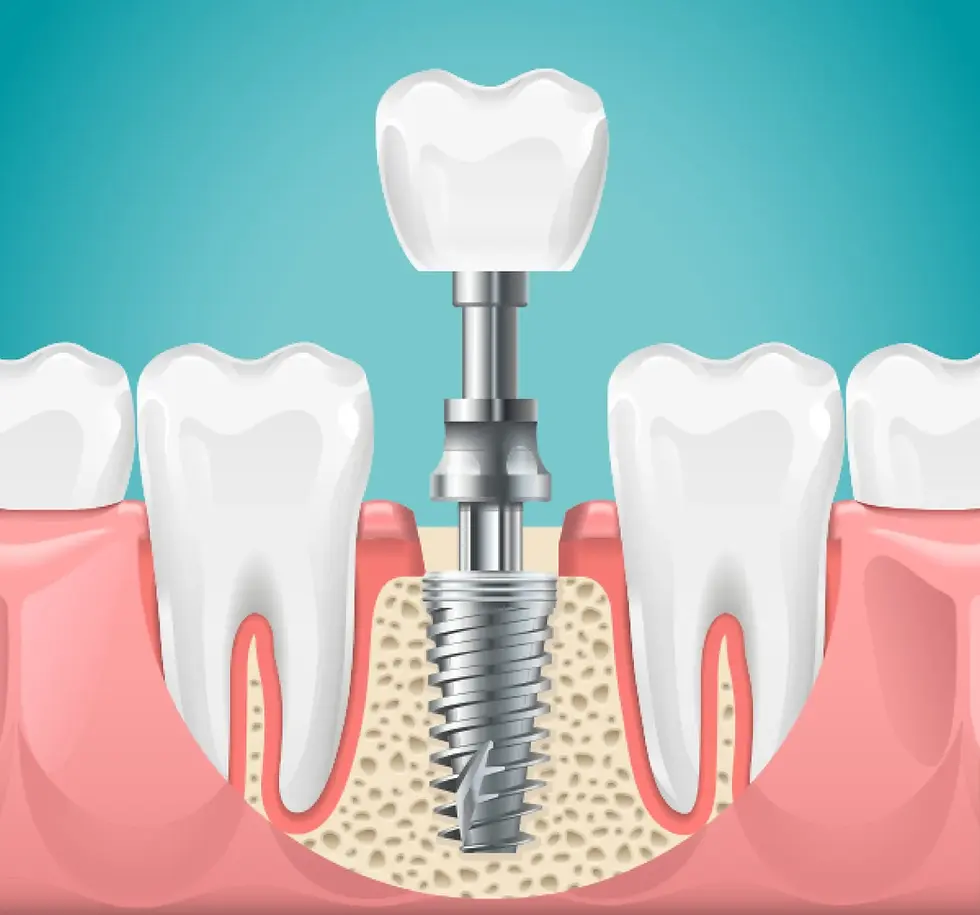
Dental implants are artificial tooth roots made of titanium that are surgically placed into the jawbone. They provide a strong foundation for replacement teeth such as crowns, bridges, or dentures.
How Dental Implants Work
Implant is placed into the jawbone
Bone integrates with the implant (osseointegration)
Crown is placed on top
Advantages of Dental Implants
Long-lasting (often lifetime)
Prevent bone loss
Look and feel like natural teeth
Do not affect adjacent teeth
What Are Dental Bridges?
A dental bridge is a prosthetic device used to replace one or more missing teeth by anchoring to adjacent natural teeth.
Types of Dental Bridges
Traditional bridges
Cantilever bridges
Maryland bridges
Advantages of Dental Bridges
Faster procedure
Lower upfront cost
Non-surgical
Dental Implants vs Bridges: Detailed Comparison
1. Longevity
Implants: Can last 20+ years or lifetime
Bridges: Typically, last 5–15 years
2. Bone Preservation
Implants: Stimulate bone and prevent loss
Bridges: Do not prevent bone loss
3. Impact on Adjacent Teeth
Implants: Independent structure
Bridges: Require support from neighboring teeth
4. Procedure Complexity
Implants: Surgical procedure required
Bridges: Non-surgical
5. Cost Comparison
Implants: Higher initial cost
Bridges: Lower upfront cost
However, implants are more cost-effective long-term.
Who Should Choose Dental Implants?
Patients looking for long-term solution
Those with sufficient bone density
Individuals seeking natural feel and function
Who Should Choose Dental Bridges?
Patients looking for quick solution
Those not eligible for surgery
Budget-conscious individuals
Maintenance and Care
Implants
Brush and floss regularly
Routine dental checkups
Bridges
Special cleaning techniques required
Common Myths
Myth: Implants Are Painful
Modern procedures are minimally invasive.
Myth: Bridges Last Forever
They need replacement over time.
Conclusion
Dental implants are the superior long-term solution due to their durability, bone preservation, and natural feel. However, dental bridges remain a good option for patients seeking a quicker and more affordable solution.
Choosing between the two depends on your oral health, budget, and long-term goals.
FAQs
Do implants last longer than bridges?
Yes, implants can last a lifetime.
Are implants better than bridges?
They offer more long-term benefits.
Is implant surgery safe?
Yes, when performed by professionals.
How long do bridges last?
Typically, 5–15 years.
Which is more affordable?
Bridges have lower upfront costs.


Comments