


Overdentures vs. Traditional Dentures: Which Option is Best?
Tooth loss is more than just a cosmetic issue—it affects your ability to chew, speak, and maintain overall oral health. Fortunately, modern dentistry offers multiple solutions to restore missing teeth. Among the most common options are traditional dentures and overdentures.
While both serve the purpose of replacing missing teeth, they differ significantly in terms of stability, comfort, durability, and long-term benefits. Understanding these differences is essential for making the right decision for your oral health.

Understanding Tooth Loss and Its Impact
Before comparing solutions, it’s important to understand how tooth loss affects the mouth:
Jawbone begins to shrink over time
Facial structure changes (sunken appearance)
Difficulty chewing and speaking
Increased risk of further tooth loss
Replacing missing teeth is not just about aesthetics—it’s essential for maintaining oral and overall health.
What Are Traditional Dentures?
Traditional dentures are removable prosthetic devices designed to replace missing teeth. They rest on the gums and are typically made from acrylic or a combination of materials.
Types of Traditional Dentures
Complete Dentures: Replace all teeth in the upper or lower jaw
Partial Dentures: Replace some missing teeth
Advantages of Traditional Dentures
Affordable compared to advanced options
Non-invasive (no surgery required)
Widely available
Limitations of Traditional Dentures
May slip or move while eating or speaking
Can cause discomfort or irritation
Require adhesives for better stability
Do not prevent bone loss
What Are Overdentures?
Overdentures are a more advanced type of denture that is supported by dental implants or remaining natural teeth. Unlike traditional dentures, they are anchored securely, offering improved stability and functionality.
Types of Overdentures
Implant-Supported Overdentures: Attached to dental implants
Tooth-Supported Overdentures: Anchored to existing natural teeth
Advantages of Overdentures
Superior stability and retention
Improved chewing efficiency
Enhanced comfort
Helps preserve jawbone structure
More natural feel
Limitations of Overdentures
Higher initial cost
Requires surgical procedure (for implants)
Longer treatment time
Overdentures vs Traditional Dentures: Key Comparison
1. Stability and Retention
Traditional Dentures: Can slip or move
Overdentures: Firmly anchored, no slipping
This is one of the biggest advantages of overdentures.
2. Comfort
Overdentures provide a more secure fit, reducing irritation and discomfort.
3. Chewing Ability
Traditional dentures: Limited chewing strength
Overdentures: Significantly improved chewing efficiency
Patients can enjoy a wider variety of foods with overdentures.
4. Bone Preservation
Traditional dentures do not prevent bone loss. Overdentures, especially implant-supported ones, stimulate the jawbone and help maintain its structure.
Learn about implant benefits: Implant Dent
5. Longevity
Overdentures tend to last longer due to better support and reduced wear.
6. Cost Comparison
Traditional dentures: Lower upfront cost
Overdentures: Higher initial investment but better long-term value
Who Should Choose Traditional Dentures?
Traditional dentures may be suitable for patients who:
Want a non-surgical option
Have budget constraints
Need a quick solution
Who Should Choose Overdentures?
Overdentures are ideal for patients who:
Want maximum stability
Are willing to invest in long-term oral health
Have sufficient bone for implants
Seek a more natural feel
The Role of Dental Implants in Overdentures
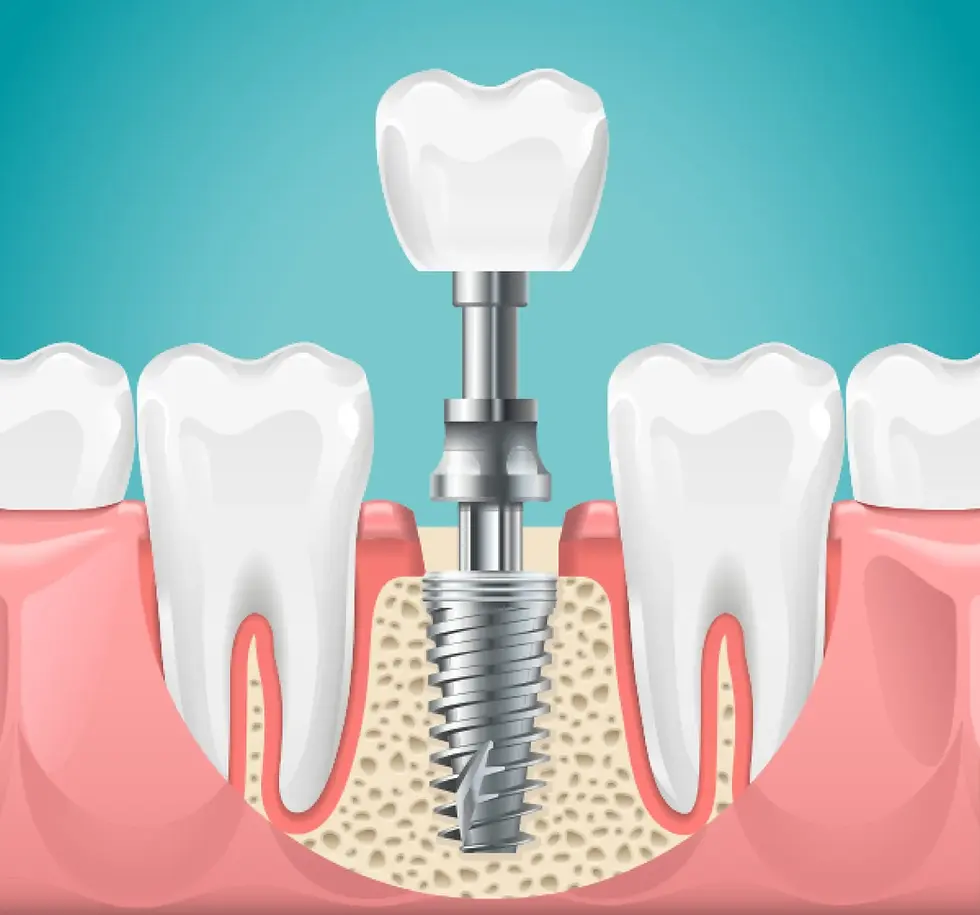
Implants act as artificial tooth roots, providing a strong foundation for overdentures.
Benefits of Implants:
Prevent bone loss
Improve stability
Enhance durability
Treatment Process for Overdentures
Consultation and evaluation
X-rays and imaging
Implant placement
Healing period
Denture fitting
Maintenance and Care
Traditional Dentures
Clean daily
Use adhesives if needed
Remove at night
Overdentures
Clean like natural teeth
Maintain implant hygiene
Regular dental visits
Impact on Quality of Life
Patients with overdentures often report:
Increased confidence
Better speech
Improved eating ability
Common Myths About Dentures
Myth 1: Dentures Are Uncomfortable
Modern dentures are designed for better comfort.
Myth 2: Overdentures Are Only for Young Patients
They are suitable for seniors as well.
When Full Mouth Rehabilitation Is Needed
Conclusion
Both traditional dentures and overdentures are effective solutions for tooth replacement, but they serve different needs.
If you’re looking for an affordable and quick solution, traditional dentures may be suitable. However, if you prioritize stability, comfort, and long-term oral health, overdentures offer significant advantages.
Consulting a dental professional is the best way to determine the right option for your specific condition.
FAQs
Are overdentures better than traditional dentures?
Yes, in terms of stability, comfort, and long-term benefits.
Do overdentures require surgery?
Yes, if supported by implants.
How long do overdentures last?
They can last many years with proper care.
Are traditional dentures still a good option?
Yes, especially for patients seeking an affordable solution.
Can seniors get overdentures?


Comments